Dr. Martens 1460 Boots Review: Timeless Icon or Overrated?
Introduction
When you think of iconic footwear, one name always pops up—Dr. Martens 1460. Loved by rockstars, rebels, and everyday fashion enthusiasts, these boots have been around for decades. But here’s the burning question: are they truly timeless, or just living off nostalgia? Let’s dive deep into this review and find out.
History of Dr. Martens 1460 Boots
Origins in the 1960s
The story begins in 1960 when the first 1460 boot rolled out of a UK factory. Its name isn’t random—it comes from the release date: April 1st, 1960. Originally designed as durable work boots, they were built for comfort, resilience, and affordability.
Cultural Impact Through the Decades
By the 1970s and 80s, Dr. Martens had left the factory floor and stormed the streets. Punks, skinheads, and musicians adopted them as a symbol of defiance. From Sid Vicious to grunge icons in the 90s, the boots were more than footwear—they were statements.
Why the 1460 Became an Icon
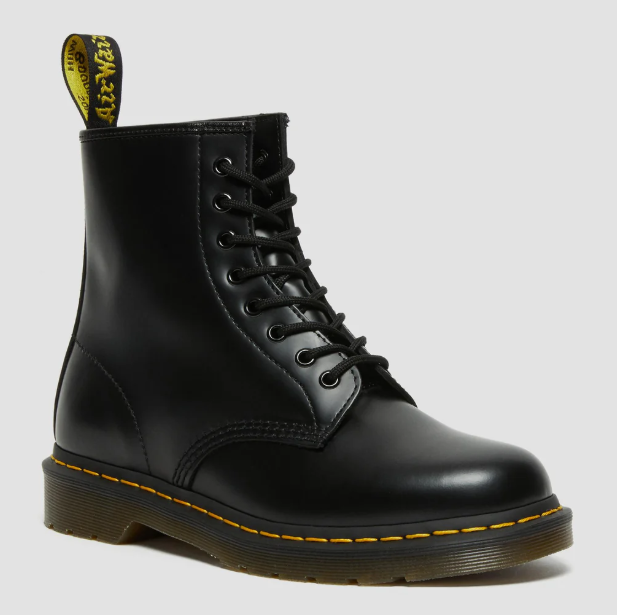
The appeal lies in their simple yet bold design. Thick soles, smooth leather, and yellow stitching became instantly recognizable. More than just boots, they turned into a badge of individuality.
First Impressions of the Dr. Martens 1460
Unboxing Experience
Opening the box, you’re greeted with a sturdy boot that feels substantial. No frills packaging—just the boots, a dust bag (in some editions), and that iconic smell of fresh leather.
Design and Aesthetic
Sleek but chunky, the 1460 balances practicality with edge. Available in smooth, vegan, or patent leather, they come in a rainbow of colors beyond the classic black.
Build Quality and Materials
Each pair is built with Goodyear welt construction, meaning the sole is heat-sealed to the upper instead of glued. That detail alone sets them apart from cheaper imitations.
Comfort and Fit
The Break-In Period
Let’s be real: the first few wears can feel like a battle. The stiff leather takes time—sometimes weeks—to mold to your feet. Blisters aren’t uncommon. But once you push through, comfort dramatically improves.
Long-Term Wear Comfort
After breaking in, they feel supportive and surprisingly cushioned. The air-cushioned sole, trademarked as “bouncing soles,” provides shock absorption for all-day wear.
Sizing and Fit Guide
They generally run true to size, but those with wider feet may want to size up. Half sizes aren’t offered, which can be tricky for in-between wearers.
Durability and Longevity
Leather Quality
The leather feels tough at first but softens beautifully over time. Scratches, scuffs, and creases give the boots character rather than ruining them.
Sole Construction
The thick PVC sole is nearly indestructible. Unlike many boots that fall apart after a year, these can last decades with proper care.
How They Age Over Time
They don’t just survive; they evolve. A well-worn pair of Docs looks better with age, like denim that fades perfectly with wear.
Style Versatility
Pairing with Casual Outfits
Jeans, T-shirts, oversized jackets—Docs thrive in casual fits. They add edge without trying too hard.
Wearing Them with Smart-Casual Looks
Surprisingly, they also pair well with chinos, button-down shirts, or even dresses. They bridge the gap between rugged and polished.
Seasonal Styling Tips
Winter? Pair them with thick socks and coats. Summer? Go bold with shorts or skirts. They adapt effortlessly.
Practicality and Everyday Use
Weather Resistance
The boots handle rain decently but aren’t fully waterproof. A little leather conditioner or waterproofing spray goes a long way.
Grip and Safety
The grooved sole offers solid traction, making them safer on wet or uneven ground.
Maintenance and Care
They need some love. Regular polishing and conditioning keep them supple. Neglect them, and they’ll dry out fast.
Price vs. Value
Are They Worth the Investment?
At around $150–$200, they’re not cheap. But compared to fast-fashion boots that last a season, these can serve you for years.
Cost Per Wear Analysis
If you wear them twice a week for five years, the cost per wear drops to cents. That’s serious value.
Comparisons with Alternatives
Competing Boot Brands
Brands like Timberland, Red Wing, and Solovair compete in the same space. Red Wings win in craftsmanship, Timberlands in rugged outdoor use—but Dr. Martens lead in cultural cool.
Fast Fashion vs. Timeless Design
Unlike trendy boots that fade out, Docs maintain their relevance. They aren’t chasing fashion; they are fashion.
Pros and Cons of Dr. Martens 1460
Key Advantages
- Iconic design
- Long lifespan
- Versatile styling
- Cultural heritage
Common Complaints
- Painful break-in period
- Heavy compared to sneakers
- Not fully waterproof
Who Should Buy Dr. Martens 1460?
If you want a boot that tells a story, lasts for years, and matches nearly any outfit, these are for you. Perfect for students, creatives, and anyone with an edge.
Who Should Avoid Them?
If you need instant comfort, lightweight footwear, or dislike the break-in struggle, you may find them overrated.
Final Verdict: Timeless Icon or Overrated?
The Dr. Martens 1460 is more than a boot—it’s a cultural icon. Yes, the break-in is tough, but the payoff is worth it. Calling them overrated ignores their history, quality, and timeless appeal. Verdict? Timeless icon.
Conclusion
Dr. Martens 1460 boots are not just shoes; they’re a lifestyle. They carry decades of history, cultural significance, and craftsmanship in every stitch. Sure, they demand patience at first, but once broken in, they’re loyal companions. If you value style with substance, the 1460 is a no-brainer.











Post Comment