A Beginner’s Guide to Sustainable Fashion Shopping

Introduction: Why Sustainable Fashion Matters
If you’ve ever wondered where your clothes come from and what happens after you throw them away, you’ve already stepped into the world of sustainable fashion. Our clothing choices impact not only our style but also the planet, workers, and future generations. That’s why sustainable fashion is more than just a trend—it’s a conscious movement toward responsible shopping.
Understanding Sustainable Fashion
Definition of Sustainable Fashion
Sustainable fashion refers to clothing, shoes, and accessories that are produced, marketed, and consumed in ways that are environmentally and socially responsible. It prioritizes eco-friendly materials, fair labor, and long-lasting products.
The Difference Between Fast Fashion and Sustainable Fashion
Fast fashion thrives on cheap, mass-produced garments that quickly go out of style, leading to waste and exploitation. Sustainable fashion, on the other hand, focuses on durability, ethical sourcing, and environmental protection.
Key Principles of Sustainable Fashion
Ethical Production
Sustainable fashion ensures workers are paid fairly, have safe working conditions, and are treated with respect. Ethical brands value people just as much as profits.
Eco-Friendly Materials
The use of organic, biodegradable, or recycled fabrics reduces pollution, conserves resources, and minimizes harm to ecosystems.
Circular Fashion and Recycling
Circular fashion emphasizes reusing, recycling, and repurposing materials. The goal is to keep clothes in circulation for as long as possible.
How to Identify Sustainable Brands
Certifications and Labels
Look for certifications like GOTS (Global Organic Textile Standard), Fair Trade, or OEKO-TEX, which prove a brand’s sustainability claims.
Transparency in Supply Chains
Brands that openly share where and how their products are made are usually more trustworthy than those that hide behind vague marketing.
Brand Commitments and Practices
Check if the brand invests in renewable energy, reduces carbon emissions, or runs recycling initiatives. These commitments reflect genuine effort.
Smart Shopping Tips for Beginners
Quality Over Quantity
Instead of buying ten cheap items, invest in one high-quality piece that lasts longer and reduces waste.
Building a Capsule Wardrobe
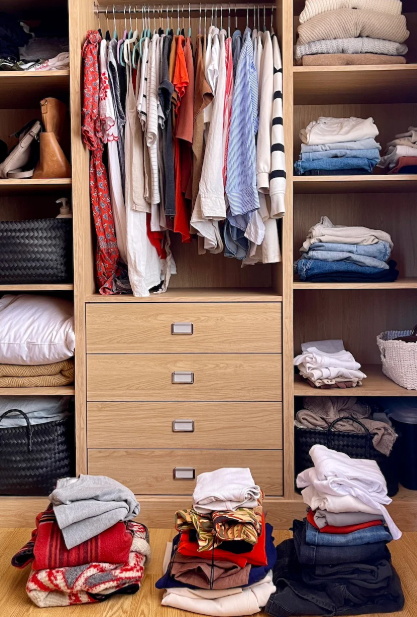
A capsule wardrobe consists of versatile, timeless pieces that can be mixed and matched easily. It helps you buy less but wear more.
Choosing Timeless Styles
Avoid overly trendy items. Classic designs not only look elegant but also stay relevant for years.
Sustainable Fabrics to Look For
Organic Cotton
Unlike conventional cotton, organic cotton is grown without harmful pesticides, making it better for farmers and ecosystems.
Hemp
Hemp grows quickly, requires little water, and is naturally resistant to pests, making it one of the most eco-friendly fabrics available.
Recycled Polyester
Recycled polyester gives new life to plastic bottles and old textiles, reducing landfill waste and the need for virgin petroleum.
Tencel and Bamboo
These fabrics are soft, breathable, and made from renewable resources, making them excellent alternatives to synthetic materials.
The Role of Secondhand Shopping
Thrifting as a Sustainable Practice
Buying secondhand keeps clothes in circulation and prevents them from ending up in landfills. Plus, it’s often more affordable.
Online Resale Platforms
Websites and apps like Depop, ThredUp, or Vestiaire Collective make secondhand shopping accessible from your phone.
Caring for Your Clothes Sustainably
Washing Practices That Save Energy
Wash clothes in cold water, air-dry when possible, and use eco-friendly detergents to extend the life of your garments.
Repairing and Upcycling
Learning basic sewing skills allows you to repair small damages or creatively upcycle old clothes into something new.
Common Myths About Sustainable Fashion
“It’s Too Expensive”
While some sustainable brands cost more upfront, the longevity of their products means you actually save money in the long run.
“It’s Not Stylish”
Sustainable fashion is no longer limited to plain basics. Today, eco-conscious brands offer stylish, trendy, and elegant designs.
“It’s Inconvenient”
With online platforms, resale apps, and sustainable collections in mainstream stores, eco-friendly shopping is more accessible than ever.
The Bigger Picture: Supporting a Sustainable Future
Impact on Environment
Sustainable fashion reduces waste, pollution, and greenhouse gases, contributing to a healthier planet.
Impact on Communities
Ethical practices empower workers, support local economies, and promote fair trade, creating positive ripple effects.
Conclusion
Sustainable fashion is more than just an alternative to fast fashion—it’s a lifestyle choice that reflects your values. By choosing quality over quantity, supporting ethical brands, and caring for your clothes, you become part of a movement that protects the planet and people. Remember, every purchase is a vote for the kind of world you want to live in.





Post Comment