How to Mix and Match Colors: A Beginner’s Style Guide

Why Color Coordination Matters in Style
Color is more than just decoration—it’s a language. The way you combine colors can make your outfit look intentional, stylish, and polished, or messy and distracting. If you’ve ever looked in the mirror and felt something was “off,” chances are it was the color pairing. Mastering this skill doesn’t just boost your appearance; it also boosts confidence.
The Psychology of Colors
Colors influence emotions and perceptions. For instance, blue often conveys calmness, red signals passion and energy, while black communicates power and elegance. Understanding these associations helps you choose colors not only based on aesthetics but also based on the message you want to send.
First Impressions and Color Impact
People make judgments within seconds, and color is one of the first things they notice. An outfit that balances hues well communicates sophistication and self-awareness. In contrast, clashing tones may distract from your personality.
Understanding the Basics of Color Theory
Color theory might sound like something reserved for artists, but it’s the backbone of stylish dressing. With a bit of knowledge about how colors interact, you’ll feel empowered to create harmonious outfits.
The Color Wheel Explained
The color wheel is your roadmap. It organizes colors in a circle, showing relationships between primary, secondary, and tertiary hues.
- Primary Colors: Red, blue, and yellow. They’re the foundation—every other shade stems from them.
- Secondary Colors: Green, orange, and purple, formed by mixing two primaries.
- Tertiary Colors: These are blends of primary and secondary colors, like teal, magenta, or chartreuse, offering more nuanced options.
Warm vs. Cool Colors
Warm colors (reds, oranges, yellows) radiate energy, while cool colors (blues, greens, purples) bring calmness. Recognizing this distinction helps you set the mood of your outfit.
Neutral Colors and Their Role
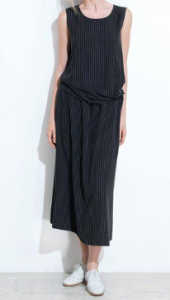
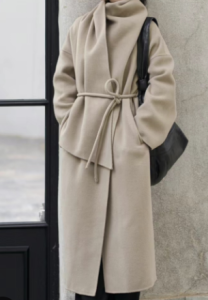
Neutrals—black, white, gray, beige, navy—are the glue of fashion. They provide balance, making it easier to experiment with bolder hues without feeling overwhelming.
Essential Color Matching Techniques
Once you understand the color wheel, the fun begins—creating combinations that flatter.
- Complementary Colors: Opposites on the wheel (blue and orange, red and green) create striking contrasts.
- Analogous Colors: Neighbors on the wheel (yellow, yellow-green, green) form seamless blends.
- Monochromatic Schemes: Variations of the same hue—think light blue, medium blue, and navy—offer sophistication.
- Triadic and Tetradic Combinations: Using three or four evenly spaced colors for dynamic, playful looks.
Practical Tips for Mixing Colors in Fashion
Theory aside, applying this to your wardrobe requires strategy.
- Start with Neutrals as a Base: Think of neutrals as your canvas. A black blazer or white tee grounds any outfit.
- Adding Accent Colors: A bold scarf or handbag can brighten up muted outfits.
- Balancing Bright and Muted Tones: If you wear a bold red dress, pair it with beige shoes to keep harmony.
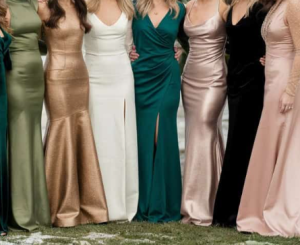
- Seasonal Color Considerations: Pastels feel right in spring, while deep jewel tones dominate fall. Dressing seasonally keeps you in sync with trends.
Common Mistakes Beginners Make
Learning often comes with missteps. Avoid these pitfalls:
- Overusing Bold Colors: Too many bright shades compete rather than complement.
- Ignoring Skin Tone and Undertones: Colors that clash with your undertone can wash you out. Warm undertones glow in earth tones, while cool undertones shine in jewel tones.
- Forgetting About Accessories: Shoes, belts, and bags can make or break color harmony. Don’t overlook them.
Building Confidence in Color Choices
Practice builds intuition.
- Using a Capsule Wardrobe Approach: With a limited palette of versatile colors, you’ll naturally learn which shades work well together.
- Experimenting Gradually: Start small—add a colorful accessory instead of diving into head-to-toe neon.
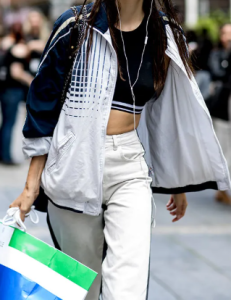
- Learning from Inspiration Sources: Fashion magazines, Pinterest, or street style can spark ideas when you feel stuck.
Conclusion
Color mixing isn’t a mystery—it’s a skill anyone can master. By understanding the basics of color theory, experimenting with safe strategies, and gradually pushing boundaries, you’ll transform your wardrobe into a tool of self-expression. The key is balance: let your colors speak without overwhelming your personality.









Post Comment