What to Wear for a Job Interview: Professional Outfits That Work
Why First Impressions Matter in Interviews
When you walk into an interview, the first impression you make can set the tone for the entire conversation. Before you even speak, your outfit tells a silent story about who you are, how prepared you are, and whether you understand the professional environment.
The Psychology of Clothing
Clothing doesn’t just cover the body—it communicates confidence, reliability, and competence. Studies show that people subconsciously associate tailored clothing with authority and trustworthiness. If you look sharp, you’ll likely be perceived as sharp.
Dressing as a Reflection of Professionalism
Your attire signals respect for the opportunity and the interviewer’s time. Dressing appropriately shows that you’ve thought about the company’s culture and expectations. It’s less about fashion and more about alignment.
General Rules for Interview Attire
No matter what industry you’re stepping into, there are golden rules to follow.
Research the Company Culture
Not every company has the same dress code. A bank may expect a suit, while a design agency might value individuality. Take time to research their website, LinkedIn, or even office photos to gauge their vibe.
Fit and Comfort Above All
An expensive suit won’t help if it fits poorly. Tailoring is key. Clothes should move with you, not against you, ensuring you appear confident instead of stiff.
Neutral Colors and Safe Choices
Navy, gray, black, and beige are timeless options. They minimize distractions and keep the focus on you—not your clothes.
Outfits for Corporate Job Interviews
In corporate roles—finance, law, consulting—professionalism is non-negotiable.
Classic Business Suit
For Men
A well-fitted dark suit, a crisp white or light blue shirt, and a conservative tie form the standard. Leather shoes, polished and understated, complete the look.
For Women
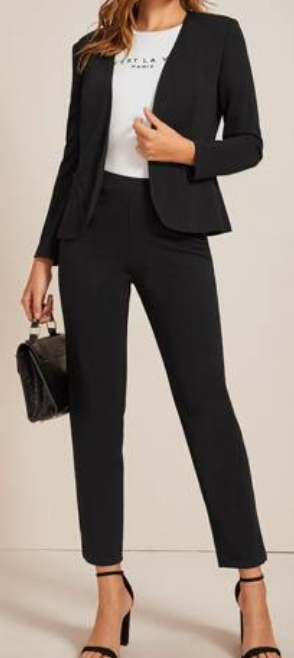
Tailored pantsuits or skirt suits are go-to choices. Pair them with a blouse in a muted tone. Closed-toe pumps or flats ensure elegance without being flashy.
Appropriate Footwear
Your shoes matter. Scuffed or casual footwear can ruin the whole outfit. Always choose leather shoes (for men) or professional closed-toe shoes (for women).
Outfits for Creative Industry Interviews
Fields like advertising, fashion, and media allow more flexibility.
Smart-Casual with Personality
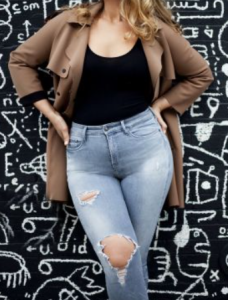
Blazers paired with smart jeans, patterned blouses, or chic dresses show personality while remaining polished.
Balancing Creativity with Professionalism
Add a splash of color or a statement accessory, but don’t overdo it. Remember, you want them to focus on your ideas, not just your style.
Outfits for Startups or Tech Companies
Tech culture often leans casual, but showing up in a hoodie might signal you didn’t prepare.
Relaxed but Polished
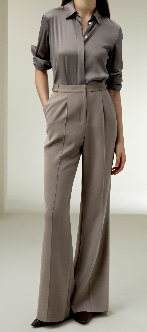
Chinos with a button-down shirt or a sleek blouse with tailored trousers strike the right balance.
Examples of Smart-Casual Tech Attire
For men: dress shirt, chinos, loafers. For women: blouse, midi skirt, or tailored pants with low heels.
Grooming and Accessories
Details matter more than most candidates realize.
Minimalist Jewelry
Stick with simple earrings, watches, or necklaces. Over-accessorizing can feel distracting.
Hair and Makeup Tips
Hair should be neat and natural. Makeup, if worn, should enhance rather than dominate. Think professional, not glamorous.
Bags and Belts
Opt for structured bags over slouchy totes. Belts should match your shoes for a cohesive look.
Common Mistakes to Avoid
Even strong candidates can sabotage their chances with wardrobe missteps.
Overdressing vs. Underdressing
Both extremes signal a lack of cultural awareness. Find the middle ground by researching the company’s norm.
Distracting Patterns or Excessive Perfume
Bright prints, noisy jewelry, or overpowering scents can shift attention away from your skills.
Seasonal Considerations
Climate affects both comfort and appearance.
Summer Interviews
Lightweight fabrics like cotton or linen help you stay cool while still looking professional. Avoid shorts or sandals.
Winter Interviews
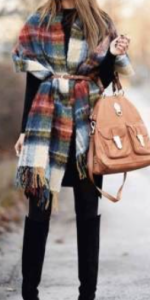
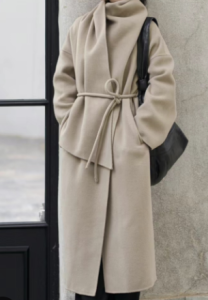
Layering is key. Wool coats, scarves, and gloves should complement your outfit, not clash with it.
Virtual Interview Dressing
Even if you’re on Zoom, your outfit speaks volumes.
Dressing for the Camera
Solid colors look better on screen than busy patterns. Ensure your top half is professional—yes, even if you’re wearing sweatpants below.
Background and Lighting Considerations
Your outfit should contrast with your background. Good lighting enhances your presence and prevents shadows.
Building a Reliable Interview Wardrobe
Think of your interview wardrobe as a long-term investment.
Investing in Timeless Pieces
A navy blazer, a crisp white shirt, and tailored black pants never go out of style.
Mixing and Matching for Versatility
With just a few staple pieces, you can create multiple outfits that suit different industries.
Conclusion
Dressing for a job interview isn’t about wearing the most expensive outfit—it’s about sending the right message. Whether you’re walking into a law firm, a startup, or logging into a Zoom meeting, your clothes should reflect confidence, respect, and professionalism. When you look the part, you already have one foot in the door.




Post Comment