Wedding Guest Outfit Guide: Stylish Choices for Every Season
Why Dressing Right as a Wedding Guest Matters
A wedding is both celebration and ceremony; how you dress signals respect for the hosts, fits the shared aesthetic, and helps you feel confident. Beyond etiquette, the right outfit improves photos, avoids upstaging the couple, and keeps you comfortable during long ceremonies and receptions. In short: dressing well is social intelligence in clothing form — you communicate that you care.
General Principles: Comfort, Respect, and Style
Three principles govern every smart wedding guest choice:
- Respect — honor the couple’s dress code and cultural norms.
- Comfort — pick materials and fits that allow sitting, standing, dancing, and weather changes.
- Style — choose a look that reflects you while aligning with the event’s formality.
When these three align you’ll look put-together without trying too hard.
Understanding Dress Codes
Knowing the dress code decodes the event’s expectations. Let’s be analytical and practical about common codes:
Formal / Black Tie
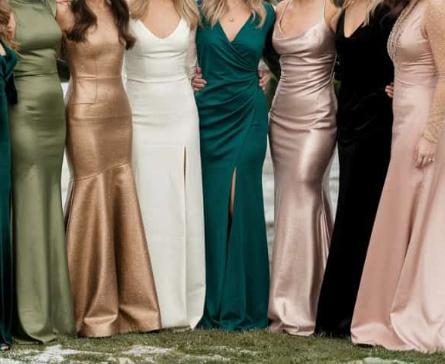
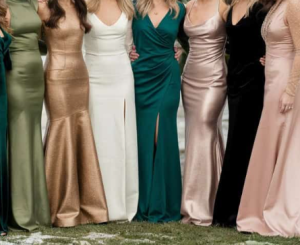
Black tie typically asks for floor-length gowns or very formal cocktail dresses for women; tuxedos for men. If the invitation says “black tie optional,” lean formal but acceptable to wear a dark suit.
Semi-Formal / Cocktail
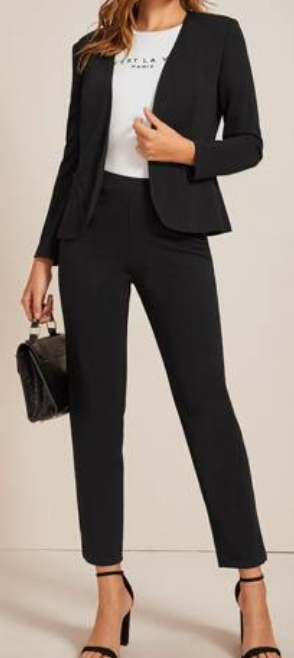
This is the most common contemporary code. Women: knee-length or midi dresses, tailored jumpsuits. Men: dark suits or blazer + trousers, tie optional depending on timing.
Smart Casual / Garden Party
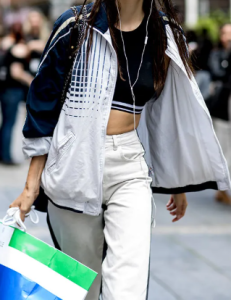
A relaxed but neat approach: sundresses, dressy skirts, chinos, linen shirts. Avoid athletic wear, loud logos, or overly casual flip-flops.
Casual / Beach or Backyard
Casual doesn’t mean sloppy. Think neat, breathable fabrics and neat footwear. For beach weddings: consider wedge sandals or dressy leather slides—avoid bare feet unless explicitly allowed.
Cultural & Religious Considerations
When the wedding follows religious traditions, modesty and symbolic colors matter. Research or ask: some ceremonies require covered shoulders, head coverings, or avoidance of certain colors. Respecting these rules is essential.
Seasonal Outfit Guide
Season determines fabric, color, and layering strategy. Below are analytical, season-by-season recommendations.
Spring: light layers and fresh palettes
Spring weddings are about renewal: florals, pastels, and smart layers.
Spring fabrics, prints and color tips
Choose mid-weight fabrics: crepe, silk blends, lightweight wool for suits. Colors: blush, mint, lavender, soft yellow, and neutral stone. Avoid heavy textures that feel out of place.
Example outfits:
- Women: a midi silk dress with a cropped blazer; low block heels.
- Men: unlined blazer in light grey or navy, cotton-silk shirt, no heavy tie for daytime.
Summer: breathability and bright choices
Summer’s priority is managing heat while staying elegant.
Summer fabrics, sun-smart choices
Linen, lightweight cotton, chambray, and seersucker are winners. Choose breathable suits or unlined jackets. Light colors reflect heat and photograph well in bright light.
Example outfits:
- Women: sleeveless midi with SPF-friendly shawl for day-to-evening transitions.
- Men: light linen blend suit, loafers or brogues with no-show socks.
Autumn: texture, layers, and warm tones
Autumn is about depth: embrace richer colors and fabrics that layer well.
Autumn fabric and palette suggestions
Velvet accents, wool-blend coats, thicker silks. Palette: rust, olive, deep plum, navy, and camel.
Example outfits:
- Women: satin midi + tailored wool coat, ankle boots.
- Men: wool suit in charcoal or deep navy; add patterned tie for texture.
Winter: structure, richness, and warmth
Winter weddings call for structured tailoring and luxe fabrics.
Winter fabrics and layering strategy
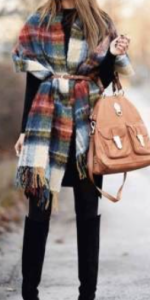
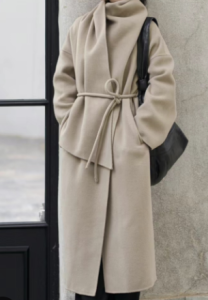
Wool, cashmere, velvet, and heavier silk. Layer elegantly: dress → long wool coat → scarf. Darker, richer colors and metallic accents work well.
Example outfits:
- Women: long-sleeved dress or velvet gown, tights and closed-toe heels.
- Men: full suit, wool overcoat, leather Oxfords.
Accessories & Footwear: Finishing Touches
Accessories define an outfit’s polish.
Jewelry & Watches
Less is often more. Choose one focal piece: statement earrings or a bold watch. For formal events, fine jewelry or tasteful faux pieces work; for casual weddings, keep things simple.
Bags & Clutches
Functional and fashionable: daytime weddings allow medium crossbody; evening calls for a clutch. Ensure it fits essentials: phone, lipstick, cards, and tissues.
Shoes: Balancing Comfort and Dressiness
Heels lengthen lines but consider block heels or wedges for outdoor events. Men should choose polished dress shoes; avoid new pairs on wedding day. Pack blisters kit and a backup foldable flat if you plan to dance.
Outerwear, Layering & Practical Tips
Weather is the wildcard. A tailored coat or cape complements formalwear; a smart blazer or shawl saves spring chill. For unpredictable rain, a clear umbrella preserves outfits and photos. When layering, keep silhouettes flattering — avoid bulk over fitted dresses or slim suits.
Destination & Themed Weddings: Special Considerations
Destination weddings may prioritize practicality. Tropical: breathable fabrics and insect-aware colors. Mountain or vineyard: layers and sturdy footwear. Themed weddings require adherence: if the couple asks “boho chic”, use natural textures and relaxed silhouettes — but don’t parody the theme; aim for thoughtful interpretation.
Sustainable, Budget-Friendly and Rental Options
Sustainability is now mainstream: consider renting formalwear for rare black-tie events, choose pre-loved pieces for unique looks, or buy versatile garments you’ll wear again. Online rental platforms and local boutiques offer high-quality, lower-cost alternatives that reduce waste and expand choice.
Common Mistakes Guests Make
- Ignoring the dress code — it’s a social rule, not a suggestion.
- Wearing white or bridal colors — unless the invite states otherwise, avoid all-white looks.
- Choosing impractical shoes for the venue (e.g., stilettos on grass).
- Over-accessorizing — less often looks better.
- Wearing wrinkled clothes — plan steaming or pressing before arrival.
Packing & Preparation Checklist
- Outfit (pressed/steamed) + emergency repair kit (safety pins, thread).
- Shoes broken in; blister patches.
- Weather-appropriate outerwear.
- Backup tie/shirt/blouse for spills.
- Small toiletries & stain remover pen.
- Chargers, cash/cards, and gift or card.
Quick Outfit Formulas (What to Wear Cheat Sheet)
- Black Tie (Evening): Floor-length gown or tuxedo.
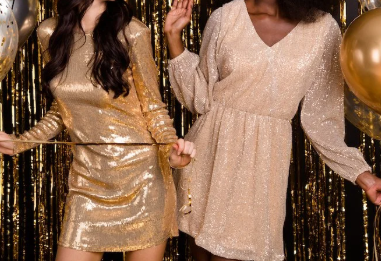
- Cocktail / Semi-Formal (Evening): Midi dress or dark suit.
- Daytime Garden Party: Floral midi, light blazer, loafers or low heels.
- Beach: Light linen dress or cotton shirt + tailored shorts (if allowed), espadrilles or wedges.
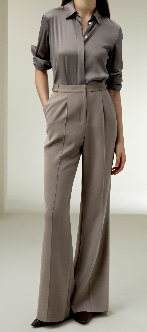
- Smart Casual: Tailored trousers + silk blouse; blazer optional.
Conclusion
Choosing the right wedding guest outfit requires reading the room: decode the dress code, consider season and venue, prioritize comfort, and finish with thoughtful accessories. When in doubt, err on the side of slightly more formal rather than too casual — but never upstage the couple. Use fabrics and layers that fit the season, choose shoes that let you enjoy the reception, and consider sustainable or rental options for special garments. With preparation and attention to context, you’ll look respectful, stylish, and ready to celebrate.




Post Comment