Complete Guide to Buying Winter Jackets That Actually Keep You Warm
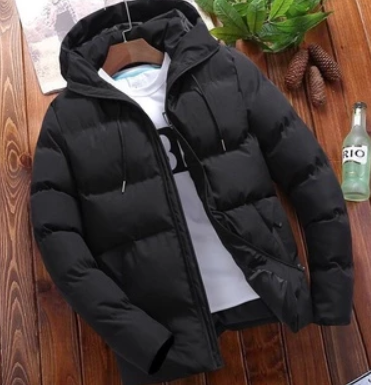
Why Choosing the Right Winter Jacket Is Essential
Winter jackets aren’t just about looking stylish. They’re vital pieces of clothing that keep you warm, protect you from the elements, and ensure you’re comfortable in chilly, sometimes brutal, temperatures. But with so many options out there, how do you make sure the jacket you’re buying will actually keep you warm?
The Importance of Insulation and Warmth
The core function of a winter jacket is to provide warmth. But not all jackets offer the same level of warmth, and it’s not just about how thick the jacket looks. Insulation plays a major role in trapping your body heat, and the quality of that insulation can make all the difference.
How the Right Jacket Affects Comfort and Performance
Choosing the right jacket goes beyond warmth—it impacts your overall comfort and ability to move freely. Jackets with too much insulation can restrict movement, while those without enough insulation can leave you shivering. It’s a balance that can make or break your winter experience.
Key Factors to Consider When Buying a Winter Jacket
When buying a winter jacket, there are several key factors that determine its effectiveness in keeping you warm and comfortable. Let’s break down each one.
Type of Insulation: Down vs. Synthetic
- Down Insulation: Down jackets are filled with the soft, fluffy underlayer of geese or ducks. They are lightweight, highly compressible, and provide incredible warmth. However, they lose their insulating ability when wet, making them less ideal for rainy or damp climates.
- Synthetic Insulation: Synthetic jackets use polyester-based fibers to mimic down. While they’re often bulkier, synthetic jackets have the advantage of maintaining warmth even when wet. They are also generally more affordable than down jackets.
Jacket Materials and Outer Shell
The outer shell of a jacket is just as important as the insulation. You need a jacket that will keep wind and moisture out while still being breathable.
- Water-Resistant Shells: Jackets with water-resistant outer shells can handle light snow or rain. Look for DWR (Durable Water Repellent) coating to provide an extra layer of protection.
- Waterproof Shells: For extremely wet and snowy conditions, a waterproof jacket is necessary. These jackets are designed to keep water from seeping in, keeping you dry and warm.
Water Resistance and Waterproofing
Water resistance and waterproofing go hand in hand but are not the same thing. Water-resistant jackets can handle a little drizzle, but if you’re heading into heavy snow or rain, you’ll need something waterproof. Look for fully sealed seams and waterproof zippers to ensure maximum protection from the elements.
Fit and Layering Potential
Fit is one of the most overlooked aspects of winter jackets. A jacket that’s too tight will restrict movement and limit the effectiveness of layering underneath, while one that’s too loose won’t trap enough heat.
- Slim Fit: Ideal for those who prefer a more streamlined look and don’t plan on layering.
- Regular Fit: Offers more room for layering, making it a versatile option for varying weather conditions.
- Loose Fit: Perfect if you plan on wearing thick sweaters or heavy layers underneath.
Weather Rating and Temperature Range
When shopping for a jacket, it’s important to know the temperature range that the jacket is rated for. Manufacturers often provide a comfort rating that indicates the lowest temperature at which the jacket will keep you warm. Keep in mind, this rating can vary depending on whether you’re wearing layers underneath.
Top Winter Jacket Styles for Different Needs
Not all winter jackets are created equal. Depending on your activities, climate, and style preferences, different jackets offer different benefits.
Down Jackets: Lightweight Warmth
Down jackets are perfect for those who need warmth without the bulk. They are great for cold, dry conditions and work well for everything from hiking to city wear. The lightweight nature of down jackets makes them easy to pack, and they provide excellent warmth-to-weight ratios.
Synthetic Jackets: Budget-Friendly and Functional
Synthetic jackets offer a more affordable alternative to down. While not as compressible or lightweight as down, they still provide great warmth. They are ideal for those living in wet climates since they retain heat even when wet. Additionally, they’re typically less expensive, making them a great budget-friendly option.
Puffer Jackets: Ultimate Insulation
Puffer jackets are characterized by their quilted design that holds insulation in separate pockets. These jackets are known for their exceptional warmth, making them ideal for extremely cold conditions. While they can be bulkier, they provide excellent insulation in freezing temperatures.
Parkas: The Heavy Duty Winter Essential
If you need a jacket that can handle the harshest of winter conditions, a parka is your best bet. Parkas often come with extra insulation and fur-lined hoods to keep the cold at bay. They’re especially ideal for people who live in areas with extreme winter temperatures.
How to Care for Your Winter Jacket to Maintain Warmth
Even the best winter jackets require proper care to continue performing at their best. Here’s how you can maintain their insulating ability.
Proper Washing and Drying Techniques
Washing a winter jacket is different from washing regular clothes. Always follow the manufacturer’s care instructions, but in general, use a gentle detergent and wash in cold water. Avoid fabric softeners, as they can damage the insulation. When drying, use low heat or tumble dry with dryer balls to help restore loft in down jackets.
Storing Your Jacket During Off-Season
During warmer months, store your jacket in a dry, cool place. Avoid compressing it in a tight space, as this can damage the insulation. For down jackets, consider storing them in a breathable bag to allow the down to retain its loft.
Conclusion: Finding the Best Winter Jacket for You
Choosing the right winter jacket can make all the difference between a miserable winter and an enjoyable one. By considering factors like insulation, materials, fit, and weather resistance, you can find a jacket that will keep you warm, dry, and comfortable throughout the season. Whether you prefer down or synthetic insulation, a puffer or parka, the key is to choose one that suits your climate, lifestyle, and budget.









Post Comment